Micro- and Mycobiome Therapy
Is this approach for you?
Micro-/mycobiome modulation may be supportive if you experience:
Digestive complaints such as bloating, food sensitivities, reflux, constipation or irregular bowel movements
Recurrent infections or a feeling that your immune system has become less resilient
Fatigue, brain fog, low energy or difficulty recovering from periods of stress
Skin conditions, allergies or inflammatory tendencies
Persistent symptoms that have remained despite conventional examinations appearing "normal"
A desire to understand your health through a systems-oriented and ecological lens
What to expect
Micro-/mycobiome therapy begins with an exploration of your personal ecosystem:
Together we look at:
• current symptoms and health history
• digestion, immune function, energy and stress levels
• nutrition, lifestyle and environmental influences
• previous infections, medications or antibiotic use
Where appropriate, laboratory testing or darkfield microscopy may provide additional insight.
From there, treatment is tailored individually and may include:
• nutritional guidance
• microbial and regulatory preparations
• support for the body's internal terrain and self-regulatory capacity
• modulation of immune function
• recommendations that help create conditions for resilience and long-term balance
1
You share more than 99.9% of your DNA with every other human.
Yet your microbial ecosystem may differ by up to 80–90% from that of another person.
2
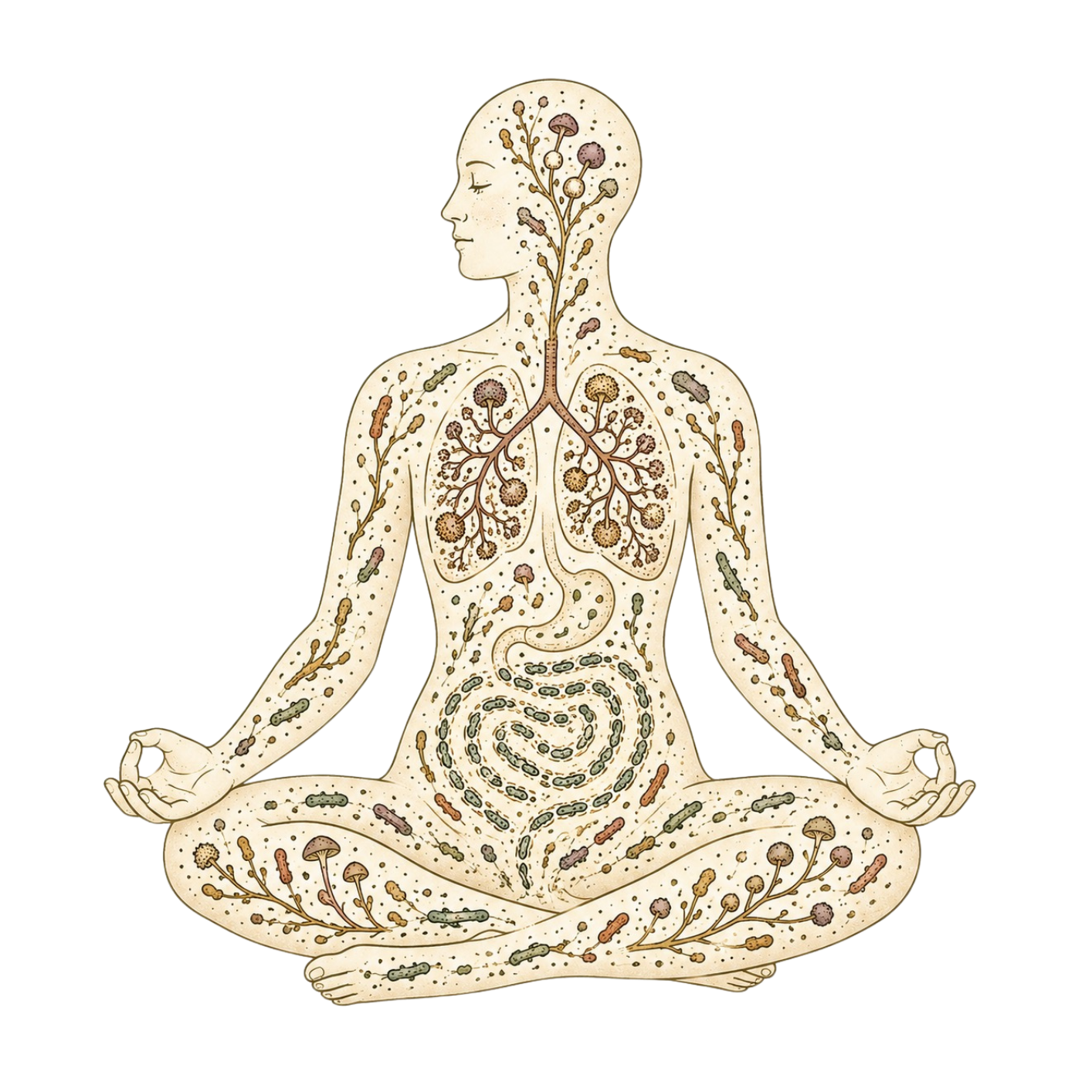
The microbiome is not confined to the gut.
From the skin to the lungs, from the mouth to the digestive tract, bacteria and fungi form intricate relationships with our cells, our immune system, and one another..
3
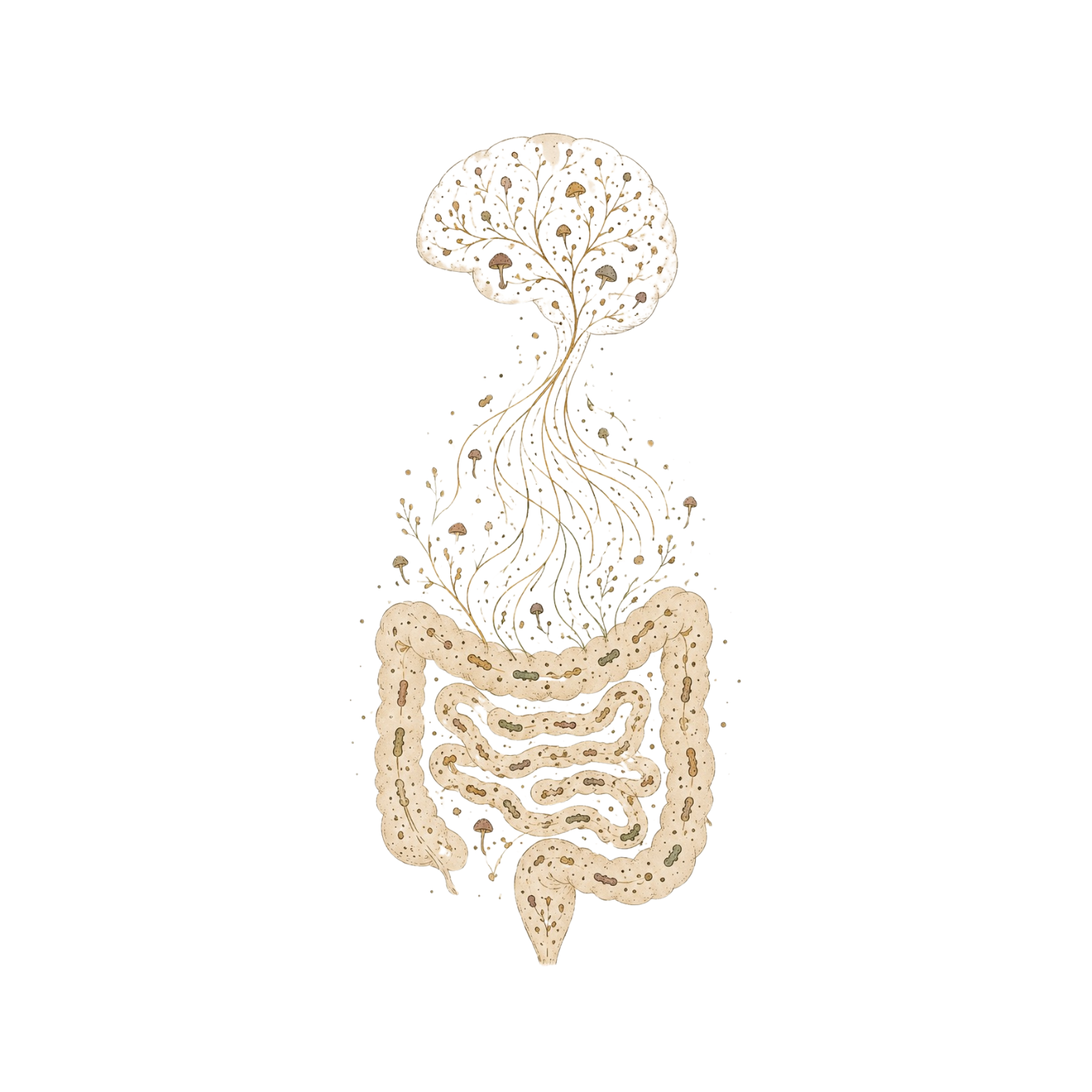
The gut–brain axis is real.
Our microbial communities influence mood, stress resilience, cognition, sleep and nervous system regulation through constant biochemical dialogue.
4
Your microbiome is a living ecosystem.
Diet, sleep, stress, medication, infections, and environmental exposures continuously shape the communities that call your body home..

The Micro- and Mycobiome
The same is true for us.
In ecosystem-oriented medicine, we view symptoms not simply as isolated problems, but as signals that something within the larger system may have lost its balance.
Micro-/mycobiome modulation aims to support the body's own regulatory capacity by working with specific bacterial and fungal preparations, while taking into account the broader terrain in which they exist.
Rather than fighting against the ecosystem, we seek to understand and support it.
While you are one individual human being, there is a whole Ecosystem living inside of you.
Every human being is home to trillions of microorganisms - bacteria, fungi, viruses and other invisible companions that constantly interact with our bodies.
Over the last decades, research has shown that these microbial communities influence far more than digestion. They communicate with our immune system, shape inflammatory processes and even interact with our nervous system.
What fascinates me most is that microorganisms do not exist in isolation. Like plants and animals in a forest, they are deeply influenced by their environment - by the conditions surrounding them and by their relationships with one another.